Food in Fiction
Generation Food to a T.
The reason why novelists write so frequently about sex is because they don’t know how to write about food.
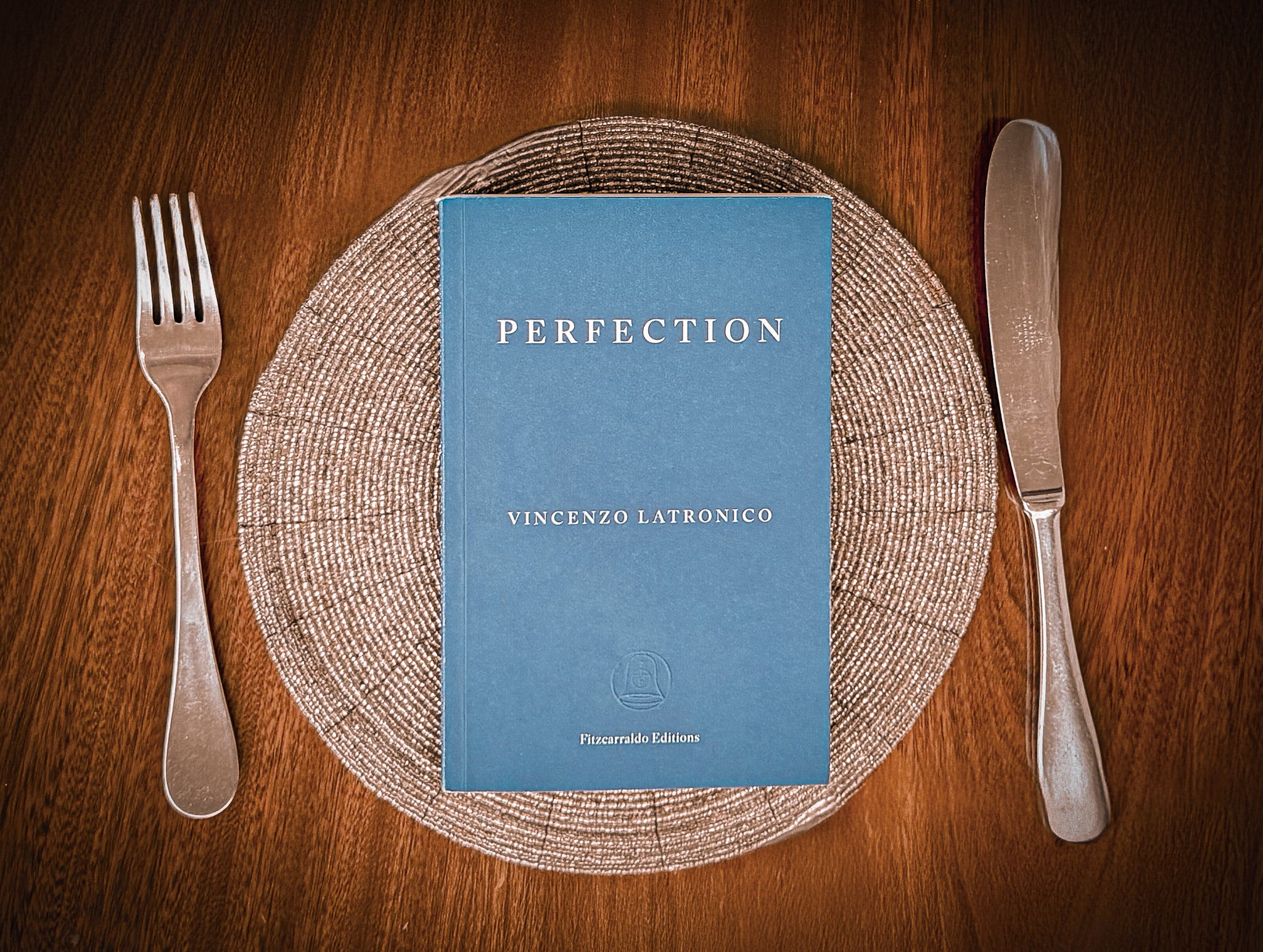
So it is a great tribute to his novel, Perfection, that Vincenzo Latronico not only devotes 3 three pages out of the book’s slender 110 pages to how his characters, Tom and Anna, think and act around food, but that those three pages should be so central to the life the pair have created for themselves in contemporary Berlin.
Perfection is a novel of manners, in particular how manners maketh the man and woman in contemporary society. The book is virtuosic: slender as a Bach sonata, as unputdownable as One Battle After Another.
It was longlisted for the Booker Prize but the fact that it didn’t win hasn’t altered the fact that this is the book that has caught the zeitgeist, and has the sales figures to prove it.
Buy it, and chances are you will buy another for a family member or friend. You will read it in a couple of hours, but thereafter it will live longtime in your head. Perfection is, yeah, pretty perfect.
Especially when it comes to food. Tom and Anna are Southern European digital nomads living and working in Berlin and doing all the things twentysomethings do in Berlin: working, clubbing, using recreational drugs, and eating out.
Previously, they hadn’t thought or cared much about food, but “Their screens had unlocked a whole world of differences they hadn’t even known existed.” Notice the entry point: they learn via the images they see on their screens, and their lives are saturated with images.
Pretty soon, they are all in: the crockery; the styling; the butcher’s block; the vital “heavy-bottomed sauteuse”; and, of course, “Their preferred knives were first ceramic, then rusty Vietnamese steel, then forged stainless steel.” Rusty Vietnamese steel! You need to have done a lot of research to come up with knives made of rusty Vietnamese steel, and Latronico has really done his work. Right across the landscape of the digital world, into the intricacies of bureaucratic German and then through the cloud of clubbing and contemporary working relationships, Perfection dazzles with its sure-footedness.
“Though the book is very short, the list of those who helped bring it into existence – with their care, their patience, their work – is long.” the author writes and he acknowledges its lineage in noting that the book “came about as a tribute to Things: A Story of the Sixties, by Georges Perec.”
“Food was part of their culture, and they would discuss it among themselves in the same way previous generations had discussed films, books and politics. It helped define who they were.”
That’s us: Gen Food.
Related:


